
Building Care That Reflects Real Lives
Living and Dying Well
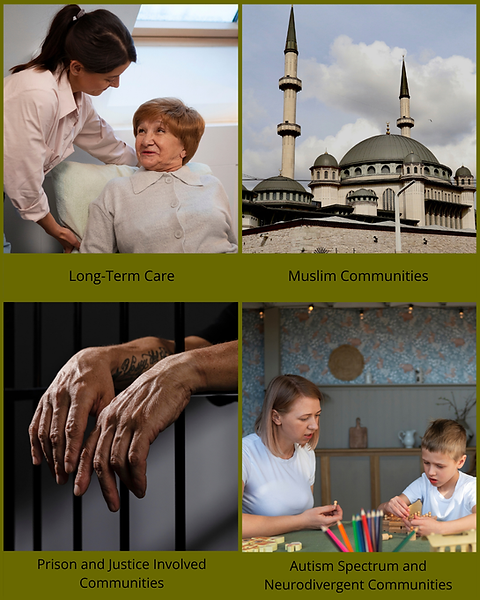
Home Hospice Association works with communities across Canada to understand their unique end-of-life needs and strengthen community-based, non-medical care. By listening and learning together, we help develop practical programs, resources, and partnerships that provide compassionate support where people call home.

Living and Dying Well
Building Care That Reflects Real Lives
Living and Dying Well is how Home Hospice Association works alongside communities to understand what is working, where gaps exist, and what is needed to strengthen community based, non-medical end of life care. By listening and learning together, we help develop practical programs, resources, and partnerships that provide compassionate support where people call home.

Home Hospice Association
What We Can Learn
Every community experiences illness, caregiving, dying, death, and grief differently. Yet too often, the people most affected are the last to be asked what would make life better. We believe the people living these experiences are experts in their own lives. Their knowledge, together with the experience of caregivers, community organizations, professionals, and volunteers, provides the foundation for meaningful and lasting change.
Home Hospice Association
How We Can Make Change Happen
We listen, learn, and work together to develop practical approaches that reflect each community's strengths, priorities, and realities. The knowledge gained through this work shapes new programs, educational resources, partnerships, and community initiatives that help more people receive compassionate support wherever they call home.
By learning with communities rather than for communities, we are helping build a stronger, more connected end of life care system across Canada

Our Living and Dying Well Initiatives


Métis Communities
Explore the cultural knowledge, community connection, and family values that guide how Métis people live, die, care, and remember.
More details coming soon—thank you so much for your patience and understanding.


Caregivers and Front-Line Responders
Learn how sensory needs, communication differences, and support structures shape the experience of decline, dying, and grief for autistic and neurodivergent people.
More details coming soon—thank you so much for your patience and understanding.


Christian Contexts
Discover how hope, prayer, ritual, community belonging, and belief shape end of life decisions, support, and remembrance in Christian families.
More details coming soon—thank you so much for your patience and understanding.


Children and Families in Complex Care
Explore how families navigate hope, fear, love, medical decision making, and anticipatory grief while caring for a child with serious illness.
More details coming soon—thank you so much for your patience and understanding.

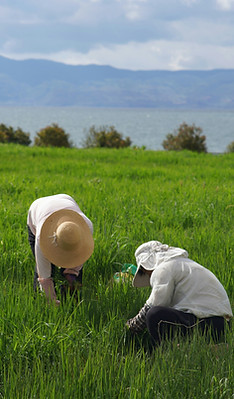
Rural and Remote Communities
See how geography, local culture, community ties, and limited access to formal services shape end of life care outside urban centers.
More details coming soon—thank you so much for your patience and understanding.

Our Team

Alaina Nippak (she/her)

Callista English (she/her)

Hildah Chilufya (she/her)
Isobel Day (she/her)

Jo D'Amico (she/her)
Mia Robertson (she/her)
Natalie Couture (she/her)

Stephanie Byfield (she/her)

Taylor Welsh (she/her)
Our Partners

-
Christina Mary Hendrie Trust | Rexall Care Network | The Laurel Foundation | Ecclesiastical | Nanaimo Association for Community Living (NACL) | Hamilton Community Foundation | Pacific Blue Cross | Pride and Remembrance Foundation
Home Hospice Association
Join the Movement
Be part of meaningful change. Participate in programs, events, working groups, or community conversations that support inclusive, culturally responsive care and connection.
Collaborate with us to strengthen community-based approaches to living and dying well. We welcome partnerships with organizations, service providers, educators, and community leaders who share our values.
Help sustain and grow this movement. Support HHA through advocacy, resources, or financial contributions that allow this work to reach more communities.